

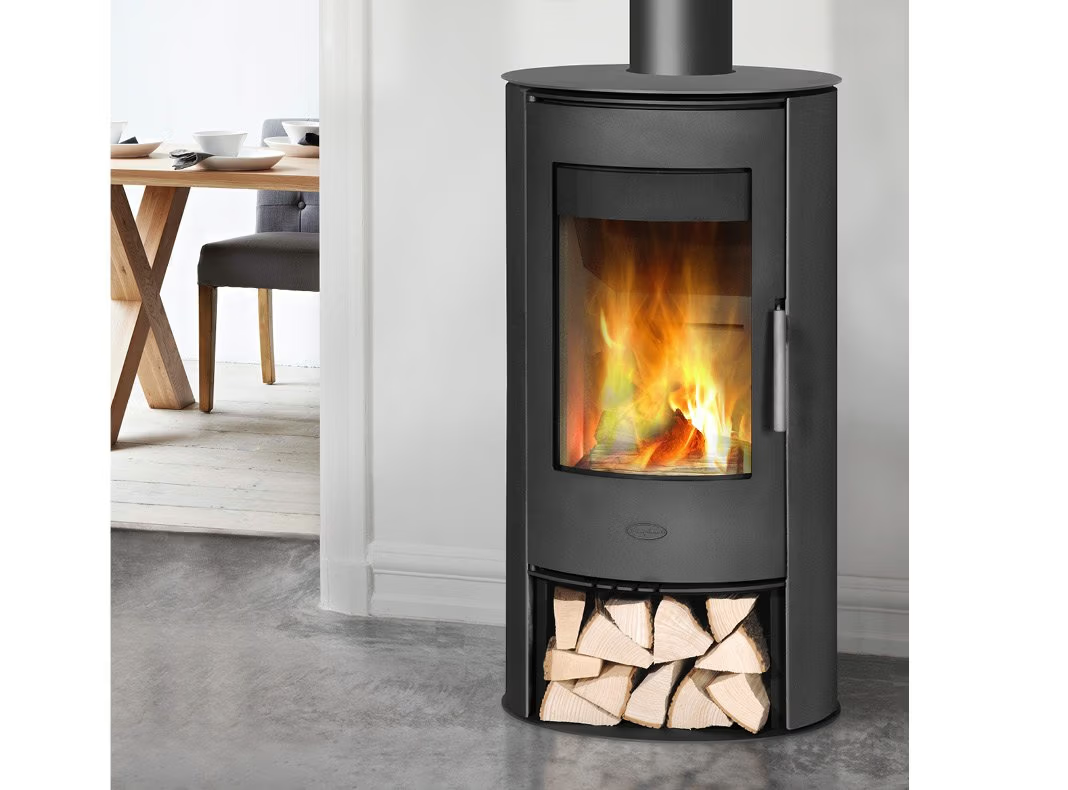
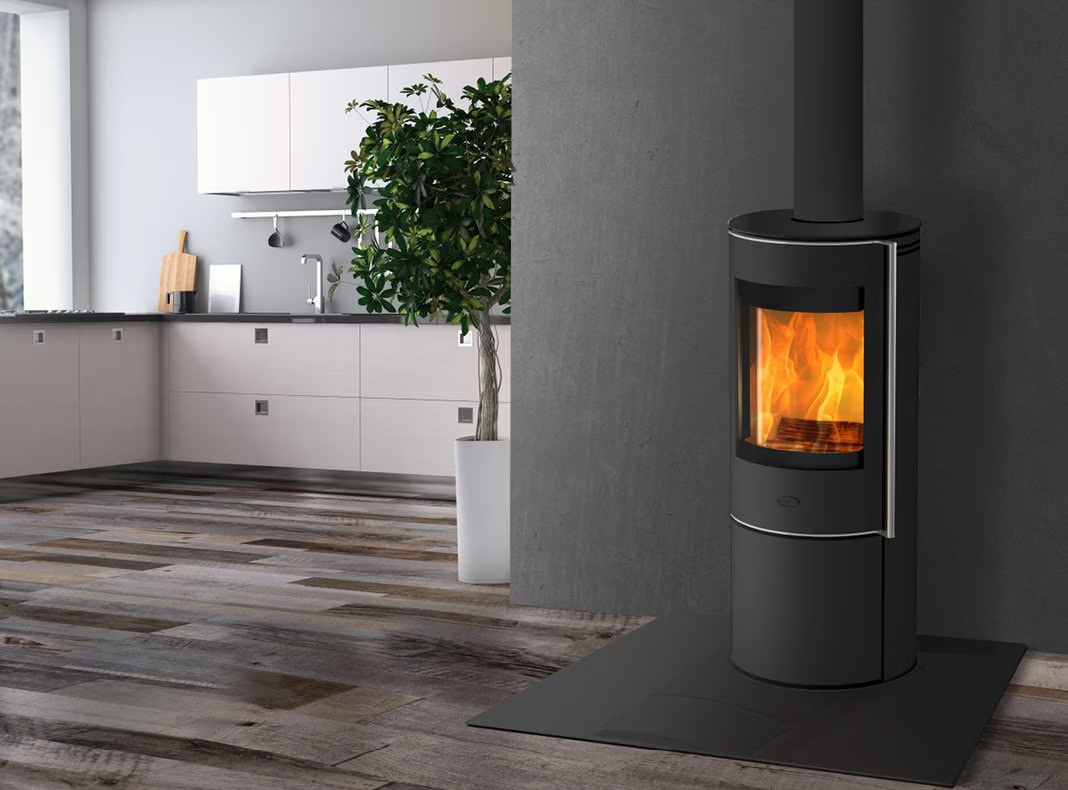
If you have a wood burning stove, an open fire, or a solid fuel appliance, chimney sweeping is one of the simplest ways to keep it working properly.
Heatwave Fireplaces is a Warrington fireplace showroom at Osnath Works, WA2 7XE. We do not sweep chimneys ourselves, but many of our stove customers ask about it, so this guide explains how to prepare for a sweep and what a good visit looks like.
Quick answer
A chimney sweep is usually a tidy, straightforward visit. You clear the area around the fireplace, protect any nearby soft furnishings, and let the sweep do the messy part with proper dust control.
What chimney sweeping actually does
Sweeping removes soot, creosote, bird nests, rubble, and other debris that can build up inside a flue.
That build up matters for three reasons.
First, it affects how well the appliance draws. Poor draw often shows up as smoke spillage, smells, or a fire that is hard to light.
Second, it reduces performance. When a flue is restricted, a stove can be harder to control and can leave more deposits behind.
Third, it helps reduce safety risks. Blocked flues and poor ventilation can contribute to carbon monoxide risk. For background reading on carbon monoxide safety, see the HSE guidance here: HSE carbon monoxide guidance
When should you book a chimney sweep
Most households book at least once a year.
A practical way to think about it is timing and usage.
If you use your stove heavily through autumn and winter, book in late summer or early autumn so you start the season with a clean flue.
If you burn most evenings or you are burning wood that is not as dry as it should be, you may need sweeping more than once a year. The right schedule depends on what you burn, how you burn, and the type of flue.
If you have just moved in and you do not know the history, treat the first sweep as a reset. Get it checked and swept before you use the appliance.
What happens during a sweep visit
A sweep visit is not just someone brushing a chimney from the top.
Most modern sweeps work from inside the room using soot sheets and vacuum equipment to keep things clean.
The typical flow is:
* The sweep protects the area around the stove or fireplace and checks access.
* The sweep seals the appliance opening so dust is contained.
* The flue is brushed and debris is removed.
* The sweep checks for signs of problems such as heavy deposits, a damaged liner, or a blocked terminal.
* You get a clear summary of what was found and what to do next.
If the sweep finds something that needs attention, ask for the next step in plain terms. For example, whether you should stop using the appliance until it is sorted, or whether it is a maintenance job to plan in.
How to prepare your room so the sweep can work quickly
A little preparation makes the visit smoother.
Start with access.
Move small furniture, baskets, and decorative items away from the fireplace area. If you have a freestanding stove, clear the space in front of it.
Think about floor and soft furnishings.
Sweeps will bring protective sheets, but it still helps to roll back a rug if it sits right in front of the hearth. If there is a fabric sofa close to the fireplace, throw a simple cover over it.
Empty the ash.
If you have a stove, let it go completely cold and remove loose ash. A thin bed of ash is fine, but do not leave it overflowing.
Have your questions ready.
If you have had smoke smells, staining, or a fire that is hard to light, say so at the start. Those clues help the sweep look for the right things.
Questions to ask before you book
A good sweep will not mind questions. Here are the useful ones.
* Do you sweep stoves and open fires, or only one type
* Do you use dust control and a vacuum system
* Will you check the flue terminal and tell me if it looks blocked or damaged
* Do you spot signs of a liner problem, and can you explain what that means in plain English
* Can you advise on burning habits that reduce soot and deposits
If you are unsure what you have, a quick photo of the appliance and the fireplace area can help you describe it clearly.
Common reasons people in Warrington book a sweep
Most customers book because they want peace of mind before the heating season.
Some book because something feels off.
Here are a few common triggers:
* Smoke smell in the room when the fire is not lit
* Smoke spillage when lighting up
* A stove that is harder to control than it used to be
* Black marks around the fireplace opening
* You have bought a house with an existing stove or open fire
A sweep will not solve every issue, but it is often the first sensible step before you look at bigger changes.
Chimney sweeping and stove servicing are different
People often mix these up.
Sweeping is about the flue and the route the fumes take.
Servicing is about the appliance itself, such as the condition of the door seals, air controls, baffles, and internal components.
If you use a wood burning stove, it is normal to need both across time. Sweeping helps the chimney. Servicing helps the stove.
If you want an overview of why both matter, this guide is a useful read: stove servicing and chimney sweeping guide
A quick visual reference
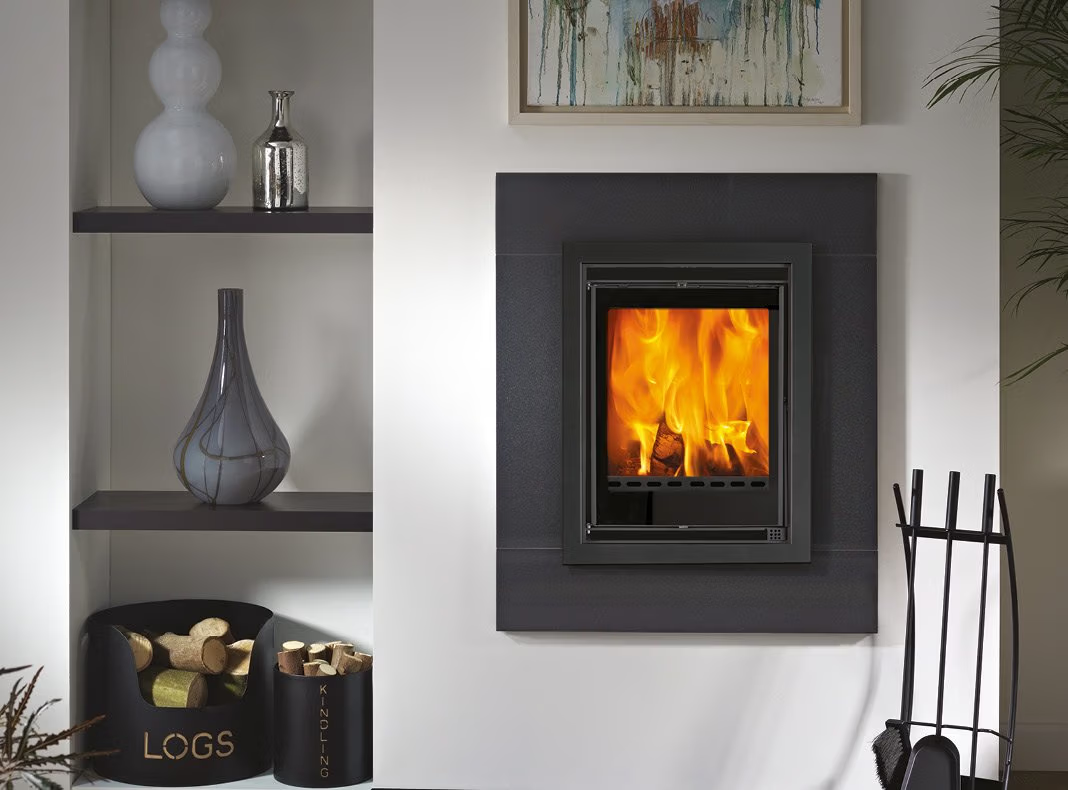
What to check after the sweep
Before you light the next fire, make sure you understand any notes from the sweep.
If the sweep mentioned heavy deposits, ask what could be causing it. Often it comes back to fuel quality and burning habits.
If the sweep mentioned a possible liner issue, ask what signs they saw. Liner problems are not something to ignore.
If you were advised to improve ventilation, ask what that means for your room. Never block vents to stop draughts.
If you were told not to use the appliance until a problem is fixed, follow that advice.
Burning habits that help keep the chimney cleaner
This is not about being perfect. It is about avoiding the habits that create the worst deposits.
Use the right fuel.
For wood burning stoves, dry wood generally burns cleaner than damp wood. If you are getting lots of smoke and slow, smouldering fires, you are more likely to get heavy deposits.
Get the fire hot enough.
A fire that never really gets going can create more soot. If you are always running very low, ask for advice on how to run the stove more cleanly while keeping the room comfortable.
Keep the air routes clear.
Stove glass that constantly blacks up can be a clue that the fire is not getting enough air, the fuel is poor, or the appliance needs attention.
If you are considering a new stove or a fireplace change
Many people book a sweep, then start thinking about improving the whole setup.
If you are not sure what is possible in your home, a visit to the Warrington fireplace showroom is a good next step. You can compare wood burning stoves, electric stoves, gas stoves and multifuel stoves in person and talk through what will work in your room.
This guide is worth reading if you are comparing options and want to avoid common mistakes: cheap stove package buying guide
Frequently asked questions
How long does chimney sweeping take
Most appointments are fairly quick, but it depends on access, the type of appliance, and how much build up there is. If you have a clear space and the stove is cold, it helps the visit run smoothly.
Is chimney sweeping messy
It should not be. A proper sweep uses dust sheets and vacuum equipment and keeps the work contained around the appliance opening.
Do I need to sweep if I do not use the stove often
If the stove is rarely used, you may not need sweeping as frequently, but you still need to know the flue is clear and safe. If you have not had it checked for a long time, it is sensible to book a sweep before you start using it again.
Can I sweep my own chimney
Most people do not. The value of a professional sweep is the proper equipment and an experienced eye for signs of problems that are easy to miss.
What if the sweep finds a problem
Ask what the problem is, whether you should stop using the appliance, and what the next step is. If you need further advice on your options, contact Heatwave Fireplaces and we will point you in the right direction.
Related reading
* The benefits of servicing your wood burning stove and sweeping your chimney: stove servicing and chimney sweeping guide
* Are log burners going to be banned in the UK: log burner regulation guide
* Cheap stove packages, what to check before you buy: cheap stove package buying guide
Finding a chimney sweep in Warrington
We do not carry out chimney sweeping ourselves. When you are choosing a sweep, look for someone certified through a recognised trade body, such as a HETAS approved sweep, the Guild of Master Chimney Sweeps, or the National Association of Chimney Sweeps. A certified sweep will use proper dust control and give you a certificate for your records, which is also useful for home insurance.
If the sweep finds a problem with the flue, or you are thinking about upgrading the fire or stove itself, that is where we can help. Call into our Warrington showroom and we will talk you through the options.
Visit us in Warrington
Heatwave Fireplaces, Osnath Works, Lythgoes Lane, Warrington, WA2 7XE. Call 01925 230045 or use the contact page to plan your visit.