

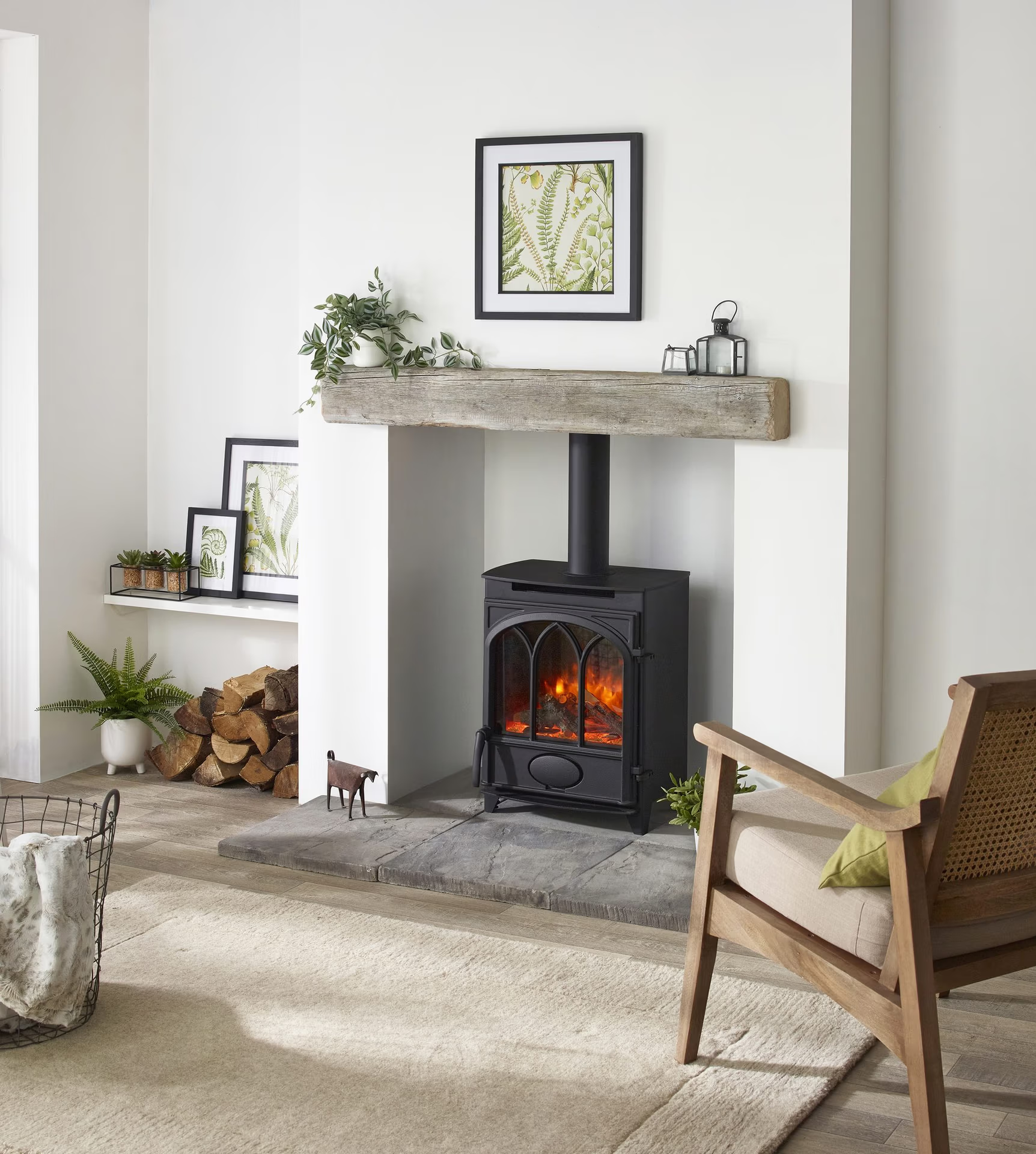
Quick answer: Choose an electric stove if you want a freestanding stove look and flexible placement. Choose an electric fire if you want a built in fireplace style finish. If you are not sure, bring room photos and a couple of measurements and compare both lit in our Warrington showroom.
If you are choosing between an electric stove and an electric fire, the best choice comes down to how you want it to look in the room, what you have already got in place, and how you want to use it day to day.
An electric stove is usually the easier answer when you want a freestanding look, you want to place it in an existing fireplace opening or alcove, or you want something that feels like a traditional stove without the work of a solid fuel install.
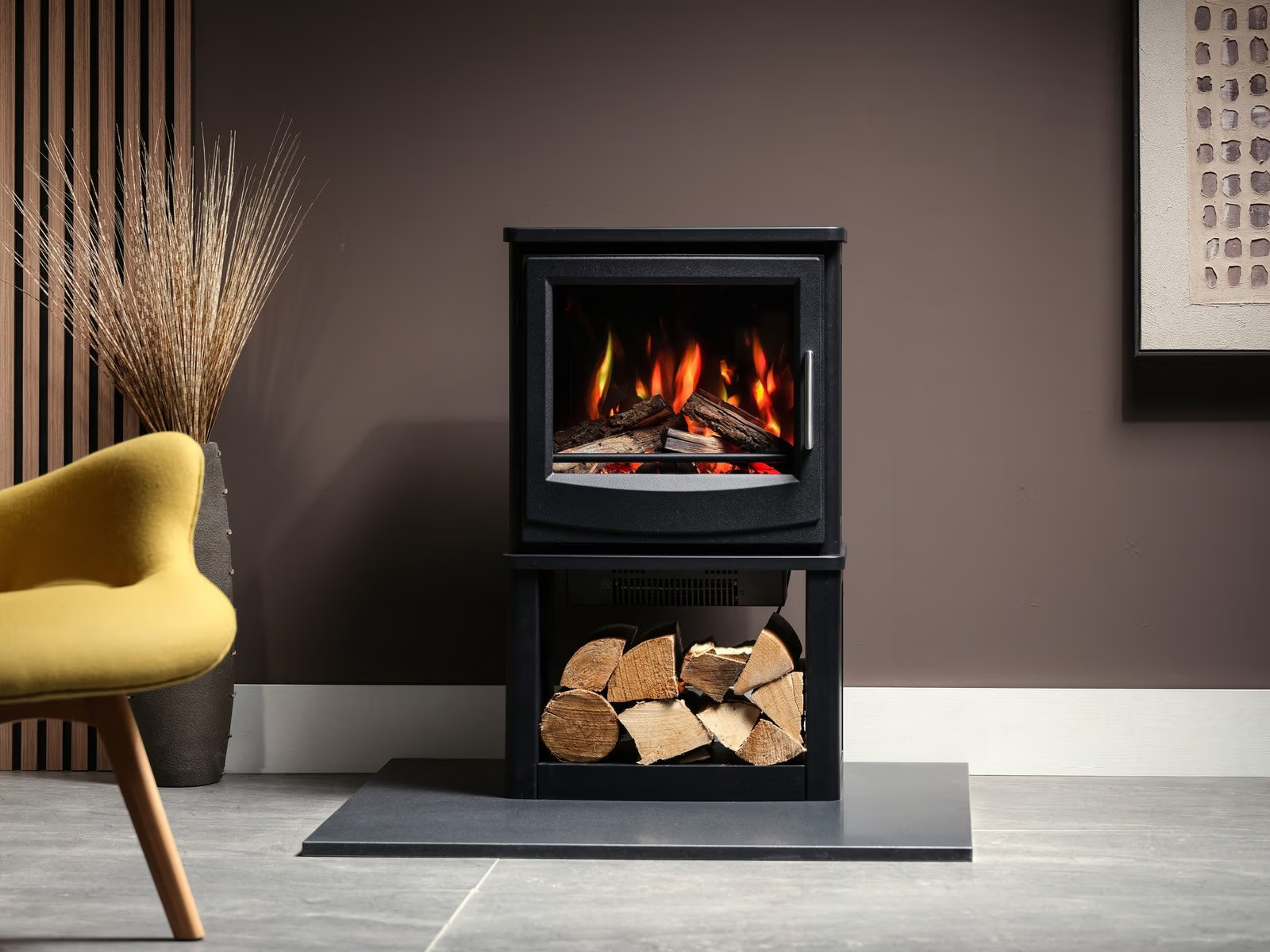
An electric fire is usually the easier answer when you want a clean built in look, you want the fire to sit in a surround, or you want a slim option that keeps the hearth area clear.
You can see both styles lit in the Heatwave Fireplaces showroom at Osnath Works in Warrington, WA2 7XE. It is much easier to judge the flame effect and the scale in person than it is on a phone screen.
What is the real difference between an electric stove and an electric fire
Most customers use the words based on how it looks, not how it heats.
An electric stove is designed to look like a stove. It has a freestanding body and it often suits a hearth, an inglenook style opening, or a simple corner position.
An electric fire is designed to look like a fireplace fire. It can be an inset style, a suite style with a surround, or a built in option that sits within a wall opening.
Both can be chosen mainly for flame effect, mainly for heat, or a mix of the two. The details depend on the specific model, so it is worth comparing the controls and settings before you decide.
Start with your room, not the brochure
Before you look at finishes or flame settings, do two quick checks. First, where will it physically sit. Second, how do you want the room to feel when it is on.
If you bring a few photos of the room and a rough sketch with dimensions, you will get better advice straight away.
Useful measurements to bring:
- Width of the space where the appliance will go
- Height limit if there is a beam, shelf, television, or picture rail above
- Depth available if it will sit in a recess or inside an existing fireplace opening
- Distance to sofas and walkways, so you can see if the proportions will feel right
If you have an existing opening, a photo straight on and a photo from the side usually tells us more than a long description.
When an electric stove is usually the better choice
An electric stove often suits you if any of these sound familiar. You want a stove look but you do not want to change the chimney or the flue route. You have an old fireplace opening that you want to use without a full rebuild. You like the idea of a stove in a room where a built in fire would look too modern. Or you want something that can sit on a hearth without building a full surround.
A stove style appliance is also more forgiving in spaces without a neat rectangular opening. Alcoves and older chimney breasts are rarely perfectly square.
When an electric fire is usually the better choice
An electric fire often suits you if you want the fire to look like part of the wall or part of a fireplace. You are planning a fireplace surround. You want an inset look in a standard opening. You want to keep the footprint shallow. Or you are lining the fire up with a central feature, such as a mirror or a chimney breast.
Electric fires can also make sense when you want the same look across rooms, for example matching a lounge and a dining room.
How to compare heat and running cost without guessing
Most running cost confusion comes from comparing the wrong numbers. Your running cost depends on the heat setting you use and your electricity unit rate.
So instead of asking whether an electric stove or an electric fire is cheaper to run, ask two things. What heat setting do I actually expect to use day to day. And what is my current electricity unit rate on my bill.
In the showroom we can show you how the controls work and what the appliance feels like on a normal setting. For general electrical safety advice, Electrical Safety First is a useful reference.
What you might need to change in the room
Most electric appliances need a safe power supply where you want to place them. Some rooms already have a suitable socket in the right position. Others do not. If a new power point is needed, it should be done properly by a qualified person.
It is also worth thinking about the wall finish and what sits above the appliance. If you have a television above, follow the appliance manufacturer guidance. Different products have different requirements, and it depends on the wall construction and the layout.
What customers often notice when they see both styles lit
Scale. A stove that looks perfect online can feel too small in a wide room, and a fire that looks slim online can feel bulky on a narrow chimney breast.
Flame picture. Some customers want a bold flame and others want a steady low flame that looks calmer.
Controls. Some prefer simple buttons and some prefer a remote with more settings.
Room style. A stove can suit a cottage style room, but it can also look right in a modern room if the rest of the decor is simple. An electric fire can look traditional or modern depending on the surround and the opening.
A simple way to decide
If you are torn between the two, picture the finished wall and the finished floor space.
If you already have a chimney breast and a hearth, an electric stove can sit naturally there. If you are building a surround or you want a neat built in look, an electric fire is often the cleaner answer.
If you also want a surround, think about the whole wall
Some customers start by choosing the fire, then realise the surround and the proportions matter just as much. Heatwave Fireplaces makes made to measure fireplace surrounds at Osnath Works in Warrington. If you are considering a surround, bring a straight on photo of the wall and the opening, plus the basic width and height measurements.
Browse electric and gas fires or stoves.
Frequently asked questions
Is an electric stove just an electric fire in a box?
Sometimes the technology is similar, but the way it sits in the room is different. A stove style appliance is designed to look freestanding and suit a hearth or an opening.
Do electric stoves and electric fires need a chimney?
No. They need a safe power supply. If you are using an existing fireplace opening, the chimney does not need to be active for the electric appliance to work.
Can I use the flame effect without heat?
Many electric fires and electric stoves allow a flame only mode, but it depends on the model. If that matters to you, check the controls before you choose.
Can Heatwave arrange fitting?
Yes, within roughly 20 miles of WA2 7XE we can help arrange trusted independent engineers. The fitting charge is paid by the customer direct to the engineer on satisfactory completion.
What should I bring when I visit the showroom?
A couple of photos of the room, a rough sketch with the key measurements, and any details about the existing opening or wall. If you are not sure what to measure, bring the photos first and we will talk you through it.
Related reading
Planning a media wall with an electric fire
Choosing a fireplace surround for your Warrington home
Are log burners going to be banned in the UK
Speak to the Warrington showroom.
Call Heatwave Fireplaces on 01925 230045 or visit us at Osnath Works, Lythgoes Lane, Warrington, WA2 7XE. Open 7 days with free street parking. Contact us here.