


Status: draft | Modified: 2026-08-09 | Words: 1563
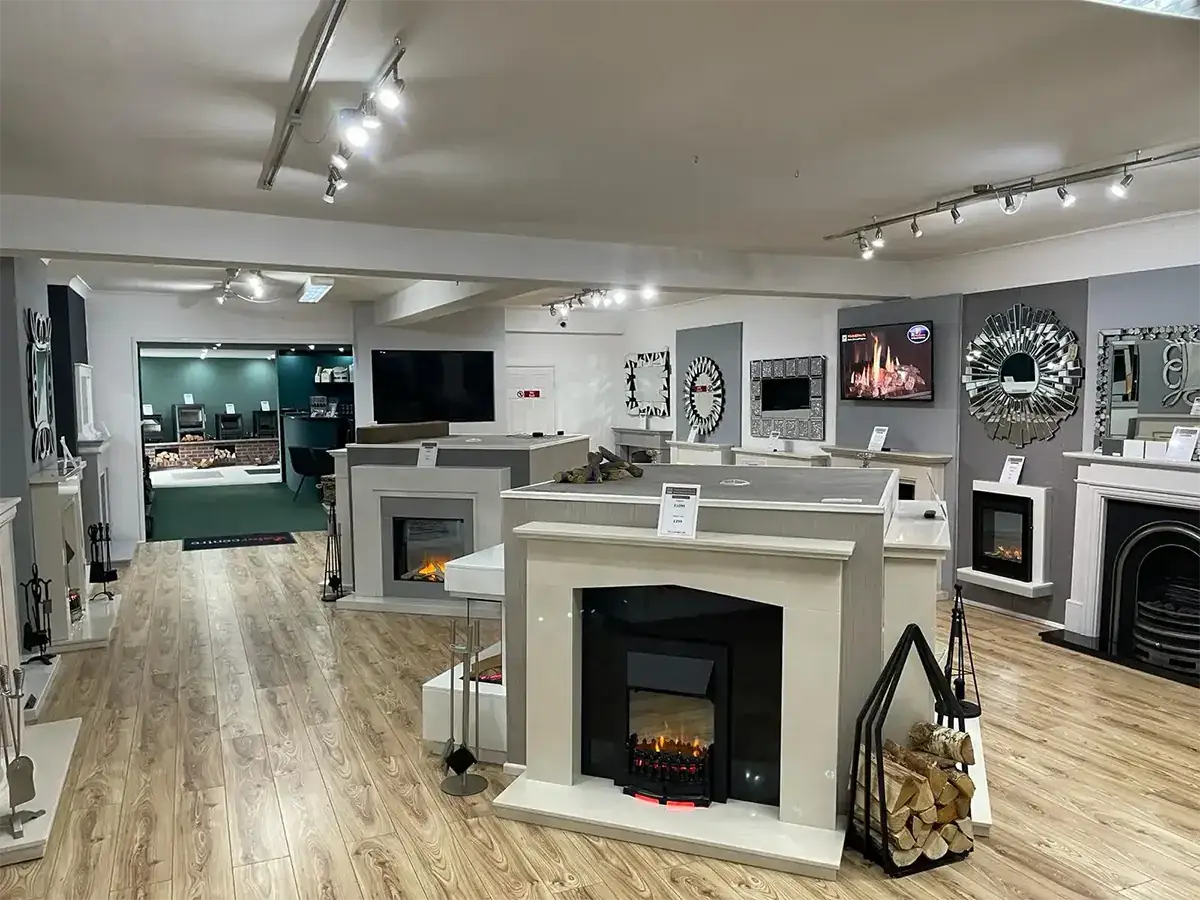
Plan a showroom visit View our fires Choosing a Wood Burning Stove: Your Essential Guide to Styles, Sizes, and Performance When you are thinking about adding a wood burning stove to your home, it can feel like a big decision. With so many options available, from classic designs to modern ones, and different sizes to consider, knowing where to start is key. This guide will walk you through the important aspects of choosing a wood burning stove so you can make a confident choice for your home in Warrington. Understanding Your Heating Needs and Room Size The first step in choosing the right wood burning stove is to consider what you need it for and the size of the room it will heat. Are you looking for a stove to be the main heat source in a large living area, or a secondary, cosy warmth for a smaller space? Heat Output Calculation: Stoves are rated by their heat output in kilowatts kW. To comfortably heat a room, you generally need about 1 kW of heat for every 14 cubic metres of space, assuming average insulation. To work this out, measure your room’s length, width, and height in metres, then multiply them together to get the cubic volume. Divide that number by 14, and you have a good starting point for the kW output you need. For example, a room 5m x 4m x 2.5m is 50 cubic metres. Dividing 50 by 14 gives approximately 3.5 kW. However, this is just a guide. Homes with poorer insulation, high ceilings, or larger windows might need a higher output. Conversely, a very well insulated, modern home could need less. Overpowering a room with too high a kW stove can lead to overheating and inefficient burning. It is better to have a stove that runs efficiently at a comfortable level. Exploring Wood Burning Stove Styles Wood burning stoves come in a wide variety of styles, allowing you to find one that complements your home’s aesthetic. From traditional to contemporary, inset to freestanding, each style offers a different look and feel. Traditional Stoves: Often featuring classic cast iron construction, ornate details, and arched doors, traditional wood burning stoves evoke a timeless charm. They are perfect for period properties or homes where you want to create a rustic, country feel. These stoves often sit within an existing fireplace opening, becoming a grand focal point in the room. Contemporary Stoves: For modern homes or those seeking a minimalist aesthetic, contemporary wood burning stoves offer sleek lines, large glass viewing windows, and often come in steel finishes. They focus on clean design and efficient performance, providing a stylish centrepiece that fits seamlessly into modern interiors. Many contemporary stoves are freestanding, allowing for flexible placement in the room. Inset Stoves: Also known as cassette stoves, inset wood burners are designed to fit flush into a wall or an existing chimney breast, creating a streamlined look. They save floor space and offer a clean, integrated appearance, making them a popular choice for those who prefer a less prominent fireplace. These are particularly popular in media wall installations where the fire needs to sit neatly within a custom built unit. Freestanding Stoves: Freestanding wood burning stoves are versatile and can be placed almost anywhere in a room where a suitable flue can be installed. They stand on legs or a log store base, offering a dominant visual presence and often becoming the central feature of a space. Their flexibility makes them suitable for various room layouts and design preferences. Wood Burning vs. Multifuel Stoves: Making the Right Fuel Choice One of the key decisions you will face is whether to choose a dedicated wood burning stove or a multifuel stove. Both burn wood efficiently, but multifuel stoves offer the flexibility to burn other approved solid fuels, such as smokeless coal. Wood Burning Stoves: These stoves are designed specifically for burning seasoned wood. They typically feature a flat grate, allowing a bed of ash to build up, which is essential for efficient wood burning. If you have a reliable supply of wood and prefer the crackle and aroma that only wood provides, a wood burning stove is a straightforward and excellent choice. Multifuel Stoves: Multifuel stoves come with a raised grate, allowing air to circulate from beneath the fuel. This design is crucial for burning solid fuels like smokeless coal, which need air from below to combust properly. While they can also burn wood, the raised grate means wood burns a little differently compared to a dedicated wood burner. If you want the flexibility to switch between wood and other approved fuels, a multifuel stove offers that versatility. This can be particularly useful in areas where wood supply might be inconsistent, or if you prefer the longer, more consistent burn of smokeless coal for extended periods. Key Features and Considerations When Buying a Stove Beyond style and fuel type, several features and practical considerations can influence your choice of a wood burning stove. DEFRA Approved: If you live in a smoke control area, it is crucial to choose a DEFRA approved stove. These stoves have been tested and certified to emit minimal smoke, allowing you to burn wood legally in restricted areas. You can check if your area is a smoke control zone on the UK government website. Most modern stoves sold by reputable retailers in Warrington are DEFRA approved, but always confirm this detail if you are unsure. Efficiency Ratings: Modern wood burning stoves are highly efficient, converting a large percentage of the fuel into heat. Look for stoves with high efficiency ratings, as these will provide more heat from less wood, saving you money on fuel in the long run and reducing your environmental impact. Air Wash System: Many stoves come with an air wash system, which is a design feature that directs a curtain of air across the inside of the glass door. This helps to keep the glass clean, allowing you a clear view of the flames. It is a small but important detail for maintaining the aesthetic appeal of your stove. Flue Options: While many homes have existing chimneys, a wood burning stove can often be installed without one, using a twin wall flue system. This opens up possibilities for installing stoves in extensions, conservatories, or rooms without a traditional chimney breast. Discussing your flue options with an expert at the Heatwave Fireplaces showroom is important for a safe and effective installation. Why a Showroom Visit Helps You Choose Choosing a wood burning stove from a brochure or website can be challenging. The true scale, finish, and build quality are best appreciated in person. At the Heatwave Fireplaces showroom in Warrington, you can: * See stoves in situ: Get a realistic sense of how different sizes and styles look within various fireplace settings. * Compare finishes: Feel the quality of cast iron, steel, and different paint finishes. * Discuss your room: Our knowledgeable team can talk through your specific heating needs, room size, and flue options, offering tailored advice for your home in WA2 7XE. * Understand installation: Get clear guidance on what is involved in installing a wood burning stove, including hearth requirements, ventilation, and safety regulations. A visit allows you to ask all your questions and leave feeling confident in your choice. Frequently Asked Questions What size wood burning stove do I need for my room? A general guide is 1 kW of heat output for every 14 cubic metres of room space. However, factors like insulation and ceiling height can influence this, so tailored advice based on your home is always best. What is the difference between a wood burning and a multifuel stove? A wood burning stove is designed solely for wood, while a multifuel stove can burn wood and approved smokeless fuels. Multifuel stoves have a raised grate, allowing air to circulate under the fuel, which is necessary for solid fuels. Do all wood burning stoves need a chimney? No, not all wood burning stoves require an existing chimney. They can often be installed with a twin wall flue system, which provides a safe and effective way to vent the stove where no traditional chimney is present. Are modern wood burning stoves efficient? Yes, modern wood burning stoves are highly efficient, with many models converting a significant percentage of fuel into heat. Look for models with high efficiency ratings to maximise warmth and minimise fuel consumption. What does DEFRA approved mean for wood burning stoves? DEFRA approved means the stove has been tested and certified to meet specific environmental standards for emissions. If you live in a smoke control area, a DEFRA approved stove allows you to burn wood legally. Visit Our Warrington Showroom For calm, expert advice on choosing the perfect wood burning stove, visit Heatwave Fireplaces in Warrington. Our team at Osnath Works, WA2 7XE, is ready to help you explore the options and plan your ideal installation. Call us on 01925 230045 to arrange a visit or simply drop by.
Related reading
- Log Burners in Warrington: What to Check Before You Choose
- Wood Burning Stove or Multifuel Stove: Which Should You Choose?
- Smoke control area rules on GOV.UK
Visit us in Warrington
Heatwave Fireplaces, Osnath Works, Lythgoes Lane, Warrington, WA2 7XE. Call 01925 230045 or use the contact page to plan your visit.