

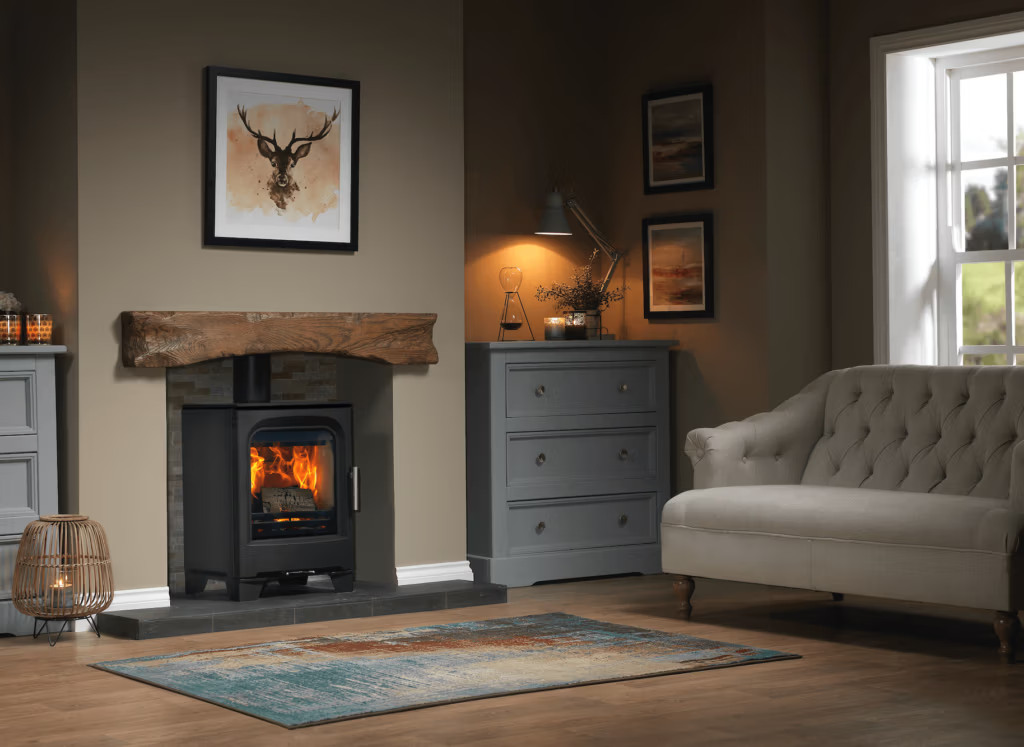
You can pick the right log burner for your home if you check the room, the chimney or flue route, and how you actually want to use it day to day.
Lots of people come into our Warrington showroom with the same starting point. They have seen a log burner on social media or in a friend’s house, and they want that cosy look. The practical bit often comes later.
This guide is the practical bit.
What most people mean by log burner
When customers say log burner, they usually mean a wood burning stove that sits in an existing fireplace opening or on a hearth as a freestanding stove.
Some stoves are designed to burn wood only. Others are multifuel stoves that can burn authorised smokeless fuels as well as wood. We will come back to that choice later because it affects how you shop.
Start with how you want the stove to feel in the room
If you are choosing log burners in Warrington, the first decision is not the stove brand. It is how you want the heat and the flame to fit your routine.
Ask yourself three simple questions:
1. Do you want it for regular evening use, or is it more of a weekend feature.
2. Do you want it to heat one main room, or are you hoping it will help the house feel warmer beyond that.
3. Are you aiming for a traditional look in a fireplace opening, or a more contemporary stove as a feature on its own.
In the showroom, one of the most common questions we hear is, “Will it actually warm the room or is it mainly for the look.” A well chosen stove can do both, but only when the installation and the room are considered together.
Do you have a chimney, and is it usable
Many homes around Warrington still have a chimney, but that does not automatically mean it is ready for a stove.
A chimney and an existing fireplace opening need checking before you commit to a specific appliance. The condition of the flue, the size and shape of the opening, the hearth, and the air supply to the room can all affect what is suitable.
If you do not have a chimney, a stove may still be possible with a suitable flue system, but the route and appearance need planning from the start. This is one reason we encourage customers to bring photos of the room and the outside wall where the flue would run.
To confirm what is possible, the right next step is a survey and proper advice for your property.
Smoke control areas and what they mean for your choice
Smoke control rules matter because they can affect which stoves and which fuels you can use.
The simplest way to handle this as a buyer is:
1. Check whether your area is covered by smoke control rules.
2. If it is, make sure you choose an appliance and fuel that are suitable.
The official government guidance is here: https://www.gov.uk/smoke control area rules
If you are unsure whether your street is covered, bring your postcode to the showroom and we will point you in the right direction for checking.
Wood burning stove or multifuel stove
This choice is easier when you think about how you plan to use the stove.
A wood burning stove keeps things simple if you know you will be burning seasoned wood and you like the straightforward routine.
A multifuel stove can be useful if you want the flexibility of authorised smokeless fuel, particularly if you prefer a longer, steadier burn pattern for certain evenings.
If you want a deeper comparison, this guide is a good starting point before you visit: https://heatwavefireplaces.co.uk/wood burning stove vs multifuel stove/
What to measure before you come to the showroom
You do not need to arrive with a perfect drawing, but a few measurements help us give better advice quickly.
Bring:
1. The width and height of the existing fireplace opening, if you have one.
2. The depth from the front of the opening to the back wall.
3. A quick photo looking straight at the fireplace and another taken from the side of the room.
4. A photo of the chimney breast and the surrounding wall so we can see the proportions.
If you are planning a freestanding stove rather than an inset look, a simple floor plan sketch with rough distances is useful.
If measuring sounds fiddly, you can still visit first and get a feel for styles. You can then go back and measure with more confidence once you know what you like.
The questions you should ask about installation
A log burner is not just a product purchase. It is a small build in your home.
The questions that help most are:
1. What needs checking in the existing chimney or flue.
2. Whether the fireplace opening needs alterations to suit the stove you like.
3. What the hearth needs to look like and how it will sit with your flooring.
4. What ventilation the room may need.
5. What access is needed for fitting and for future servicing.
If you want to get ahead of the common surprises, this maintenance and sweeping guide is worth reading: https://heatwavefireplaces.co.uk/chimney sweeping stove maintenance/
Think about fuel and storage early
Most people focus on the stove and forget where the logs will live.
If you are using wood regularly, you will want a dry storage spot that is easy to reach without bringing mess through the house. Even if you keep a log basket by the stove, you will still need a sensible place for the main stack.
If you are choosing the stove in summer, it is a good time to plan this properly so you are not improvising in October.
The look of the fireplace around the stove
Some customers want a stove in a simple opening with a clean hearth. Others want a more traditional surround.
In our Warrington fireplace showroom you can see different approaches, including stone surrounds, marble style fireplace looks, and traditional designs where a stove becomes the centrepiece.
If you are renovating a full chimney breast, it helps to decide whether the stove should be the main visual feature or whether the surround will be the feature with the stove sitting neatly inside it.
If you want a made to measure fireplace look, the key thing is to plan the stove and the surround together so the proportions feel right.
Common mistakes we see with log burners
Most problems start with a mismatch between expectations and the room.
Here are the three most common ones:
1. Choosing a stove based only on a photo, then discovering it does not suit the fireplace opening.
2. Forgetting to plan the hearth and the finish, then having to compromise on the final look.
3. Leaving fuel and storage to the last minute, then struggling to keep wood dry and tidy.
A showroom visit reduces these risks because you can see real sizes, real finishes, and the way different stoves sit within an opening.
If you are near Warrington, a showroom visit is genuinely useful
A website photo can make every stove look the same size.
In person, you can compare different stove proportions in minutes. You can also talk through your room layout and get clear next steps for surveys and installation planning.
If you are coming from nearby areas, these local guides may help you plan your visit:
1. Knutsford: https://heatwavefireplaces.co.uk/knutsford fireplaces stoves/
2. Wilmslow: https://heatwavefireplaces.co.uk/wilmslow fireplaces stoves/
Frequently Asked Questions
Do I need a chimney for a log burner
You do not always need an existing chimney, but you do need a safe flue route planned for your property. To confirm what is possible, a survey is the right next step.
Are log burners being banned in the UK
There are rules that affect how and where you can burn, and which fuels are suitable, but a simple headline rarely tells the full story. Start by checking the official smoke control guidance and then get advice based on your address and installation plan.
What is the difference between a wood burning stove and a multifuel stove
A wood burning stove is designed for burning wood. A multifuel stove is designed to burn authorised smokeless fuels as well as wood. The right choice depends on how you want to use it and what fuel you prefer.
What should I bring to the showroom so you can advise properly
Bring a couple of photos of the room and the fireplace area, your postcode, and basic opening measurements if you have them. That is usually enough for a useful first conversation.
How often will I need chimney sweeping and stove maintenance
It depends on how often you use the stove and what you burn, but regular sweeping and servicing should be part of your plan from the beginning. If you want a practical overview, use this guide: https://heatwavefireplaces.co.uk/chimney sweeping stove maintenance/
Next step
If you would like calm advice before you choose, visit Heatwave Fireplaces in Warrington at Osnath Works, WA2 7XE.
Call 01925 230045 and we will help you work out what to measure, what to check, and what the sensible next step is for your home.
You can also start with the main site here: https://heatwavefireplaces.co.uk/
Visit us in Warrington
Heatwave Fireplaces, Osnath Works, Lythgoes Lane, Warrington, WA2 7XE. Call 01925 230045 or use the contact page to plan your visit.